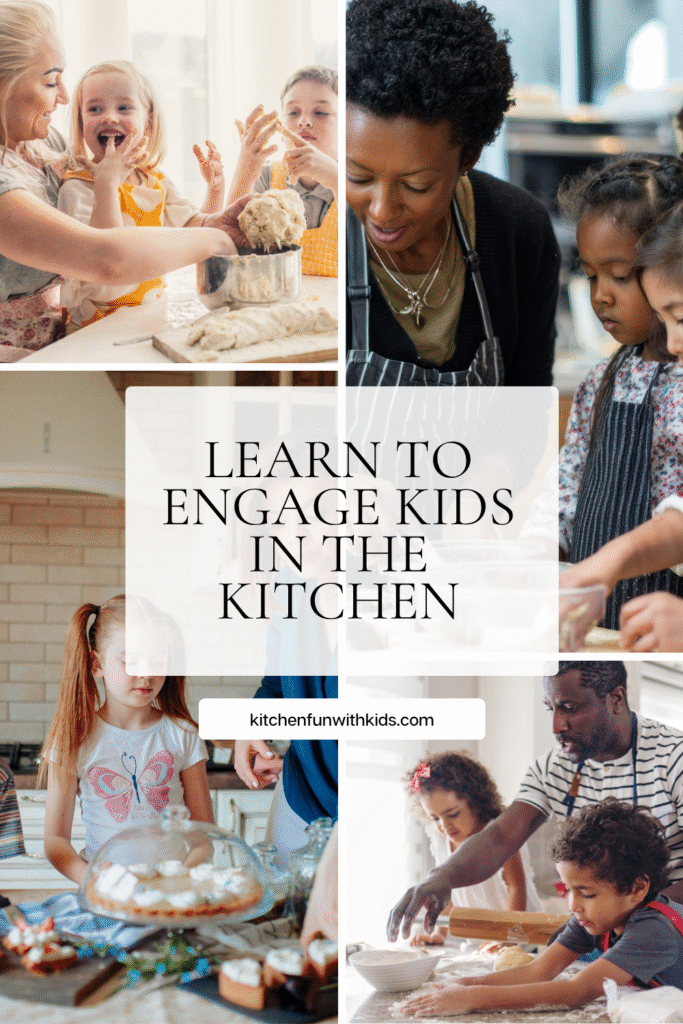
6 Simple Ways to Teach kids to cook
The ability to teach kids to cook is one of the most rewarding ways to spend time together. It’s more than mixing ingredients or sneaking chocolate chips—it’s about giving them life skills, confidence, and a sense of independence that starts right at home.
When you teach your kids to cook, you’re doing more than preparing dinner. You’re creating moments of connection, curiosity, and growth that stick with them long after the dishes are done. Whether you’re baking cookies on a rainy afternoon or letting them take charge of breakfast on Saturday morning, every experience in the kitchen helps build responsibility, creativity, and family bonds that rise right alongside the dough.
If you’ve been wondering how to get your kids more involved—or how to make kitchen time less stressful and more meaningful—these six simple strategies will help you start teaching with confidence and fun.
1. Start with Safety (and Keep It Simple)
Before you even preheat the oven, make safety your first lesson. Kids can’t enjoy the fun if they’re nervous or unsure about what’s safe, so set clear boundaries in a calm, empowering way.
• Show kids how to handle tools like spoons, spatulas, and measuring cups.
• Demonstrate that hot surfaces like pans and ovens can cause burns—explain, don’t scare.
• Keep knives out of reach for younger children and introduce safe cutting tools gradually as they mature.
• Tie back long hair, wash hands, and clean as you go.
Parent Tip: Establish a “safety zone” around the oven or stove where only grown-ups work. You can even tape a small line on the floor to give visual boundaries for younger kids.
2. Match the Task to the Age
The key to keeping kids engaged is assigning responsibilities they can handle with confidence. Even the smallest task builds ownership and pride.
Ideas for Ages 2–4:
• Stir ingredients
• Pour pre-measured items
• Sprinkle toppings
• Wash fruits or vegetables
Exciting Little Helper Tips for Ages 5–7:
• Crack eggs (in a separate bowl first)
• Use cookie cutters
• Measure dry ingredients with guidance
• Use a cookie scoop or spoon dough onto trays
Engagement for Ages 8–10:
• Read the recipe aloud
• Mix wet ingredients
• Knead dough or roll pastry
• Set timers and track bake times
Every contribution matters. When kids see their role in creating something delicious, their confidence in the kitchen—and beyond—starts to grow.
3. Prep Ahead for Success
Think of yourself as the producer of your own family cooking show: the secret is preparation. Have ingredients ready, pre-measure items that require precision, and clear space so everyone has room to work.
Prepping ahead prevents frustration and keeps the energy light. It also allows you to focus on connection instead of chaos once the flour starts flying.
Kid Tip: While you prep, let your child help by counting out cupcake liners, arranging utensils, or laying out parchment paper. These small actions teach order, sequence, and responsibility.
4. Practice Patience (and Let It Get Messy)
Let’s be honest—baking with kids will take longer and get messier than doing it solo. But that’s part of the magic. Mistakes aren’t just okay; they’re how learning sticks.
When spills happen, take a breath. Model problem-solving instead of frustration. Laugh it off and remind your kids that even professional chefs make messes—it’s how we figure out what works.
Focus on effort over perfection. When kids feel safe making mistakes, they stay curious and keep trying.
5. Encourage Creativity
Creativity in the kitchen is where confidence really takes shape. Let your child take ownership of one part of the recipe—flavors, colors, or designs—and watch their imagination soar.
Try:
• Adding food coloring or mix-ins like sprinkles or mini marshmallows
• Designing cookie “faces” or patterns
• Inventing new flavor names (“Lila’s Legendary Lava Cookies” is a classic in our house)
• Creating themed baking days or seasonal experiments
Parent Tip: Reserve a small batch just for experimentation. Even if their cookie creatures look wild, they’ll taste like pride and joy.
6. Turn Every Step into a Learning Moment
Baking is a science you can eat. Kids love to understand why things happen, so sprinkle in explanations as you go.
Try saying:
• “The baking soda makes the cookies puff up like balloons.”
• “Creaming butter and sugar helps trap air for a fluffy texture.”
• “We’re stirring gently so the cookies stay soft, not dense.”
By connecting each action to a simple lesson, you help kids develop curiosity and confidence in the process, not just the product.
What Makes This Experience work?
Teaching kids to cook isn’t about perfect recipes or spotless counters—it’s about progress, patience, and shared pride in what you create together. Each step, from measuring flour to cleaning up spills, builds confidence and real-world skills that reach far beyond the kitchen.
So the next time you’re cooking dinner or baking dessert, invite your kids to help. Let them measure, mix, and make mistakes. Because when you teach kids to cook, you’re not just filling their plates—you’re fueling their independence, creativity, and love for learning one delicious memory at a time.
Pin for Later